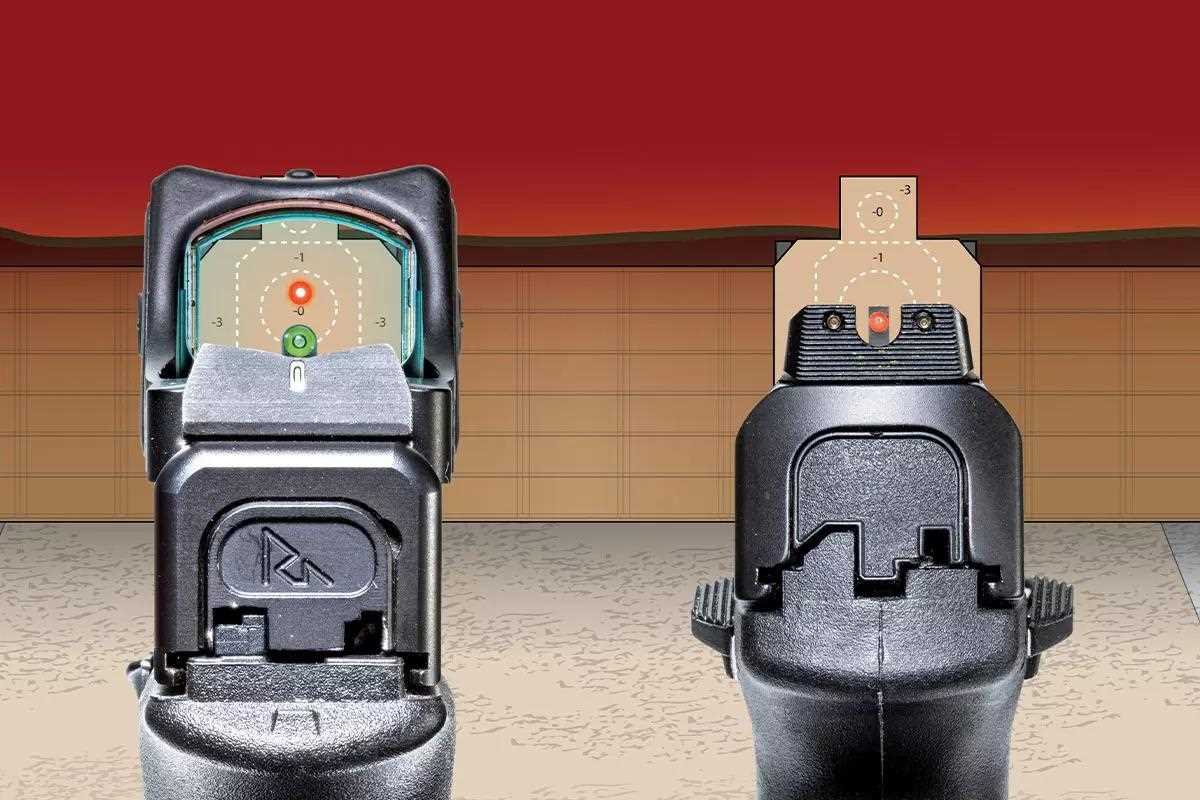
Red Dot vs. Iron Sights
Red Dot vs. Iron Sights: Which Is Better?
When it comes to choosing sights for your firearm, one of the most common debates isred dot vs. iron sights. Whether you're a first-time gun owner, a competitive shooter, or someone focused on home defense, the right sighting system can dramatically impact your accuracy, speed, and overall shooting experience.
So which is better? The answer depends on your needs, experience level, and intended use. Let’s break it down.
Red Dot vs. Iron Sights: Which Is Better?
When it comes to choosing sights for your firearm, one of the most common debates isred dot vs. iron sights. Whether you're a first-time gun owner, a competitive shooter, or someone focused on home defense, the right sighting system can dramatically impact your accuracy, speed, and overall shooting experience.
So which is better? The answer depends on your needs, experience level, and intended use. Let’s break it down.
What Are Iron Sights?
Iron sights are the traditional sighting system that comes standard on most firearms. They typically consist of afront postand arear notchthat you align with your target.
Pros of Iron Sights
Reliable and durable– No batteries or electronics to fail
Lightweight– Adds no extra bulk
Cost-effective– Usually included with the firearm
Always ready– No power required
Cons of Iron Sights
Requires aligning front sight, rear sight, and target simultaneously
Slower target acquisition for some shooters
Can be harder to use in low-light conditions
Not ideal for shooters with aging eyes
Iron sights are simple, dependable, and have been trusted for generations. For many shooters, they remain the gold standard for durability and practicality.
What Is a Red Dot Sight?
A red dot sight is an electronic optic that projects an illuminated dot onto a lens, allowing you to focus on your target while placing the dot where you want the bullet to land.
Pros of Red Dot Sights
Faster target acquisition
Easier for beginners
Better performance in low light
Improved accuracy at speed
Target-focused shooting (both eyes open)
Cons of Red Dot Sights
Requires batteries
Higher upfront cost
Can add weight or bulk
Electronics can fail (though modern optics are very reliable)
Red dots have become increasingly popular in recent years, especially for defensive handguns, AR-style rifles, and competition shooting.
Accuracy: Which One Wins?
Both systems are capable of excellent accuracy. However:
Iron sights demand strong fundamentals and consistent sight alignment.
Red dots simplify aiming by eliminating the need to align two separate sight points.
For most shooters—especially beginners—a red dot can make it easier to shoot accurately and quickly. For experienced shooters, both systems can perform at a high level with proper training.
Speed: Red Dot Advantage
In dynamic situations such as defensive shooting or competition, speed matters.
Red dots generally allow for:
Faster follow-up shots
Quicker target transitions
Improved performance under stress
That’s one reason many law enforcement agencies and competitive shooters are transitioning to red dot optics.
Reliability: Iron Sights Still Shine
Iron sights win when it comes to mechanical simplicity. No battery. No electronics. Nothing to turn on.
That said, modern red dots from reputable manufacturers are extremely durable and often offer years of battery life.
Many shooters choose to runboth— a red dot optic with co-witnessed backup iron sights — for maximum reliability.
Best Choice by Use Case
Home Defense
Red dots offer faster target acquisition and better low-light performance.
Concealed Carry
Red dots are growing in popularity, but iron sights remain lighter and simpler. It comes down to preference and training.
Competition
Red dots dominate in speed-based shooting sports.
Hunting
Depends on distance and platform. Red dots work well for close to mid-range shooting.
New Shooters
Red dots often reduce the learning curve and build confidence faster.
So… Which Is Better?
There’s no universal “better.” There’s onlybetter for you.
If you value simplicity, durability, and tradition →Iron sights are a solid choice.
If you want speed, easier aiming, and improved low-light performance →A red dot may be worth the investment.
The best advice? Try both. Training and familiarity matter more than the equipment itself.
Final Thoughts
Technology continues to evolve, but fundamentals remain king. Whether you run iron sights or a red dot, consistent practice and proper training are what truly improve performance.
If you're considering upgrading your firearm with a red dot or want to explore sight options, stop by our store or contact us — we’re happy to help you find the setup that fits your needs.
Stay safe. Train smart. Shoot confidently.
